
Every Little Bit Helps
Why you don't need to rip out your entire lawn to make a difference
One of my favorite parts of this job is getting to talk with people about their yards. I hear all kinds of questions, but one comes up over and over again.
"I'd love to help pollinators, but my yard is too small."
Or maybe it's, "I don't have a green thumb.""I don't want a messy yard.""I don't have the time."
The list goes on.
I think we've accidentally convinced ourselves that if we're going to do something good for the environment, we have to go all in. Rip out the entire lawn. Plant a prairie. Become an expert on native plants.
That's simply not true.
Just like voting, recycling, or shopping at your local farmers market, small actions add up when enough people do them. Imagine if every homeowner in Minneapolis carved out just a small corner of their yard for pollinators. Suddenly we've created thousands of little pockets of habitat that weren't there before.
That is how real change happens.
Not because one person did everything.
Because a whole community did something.
Why Pollinator Habitat Matters
Pollinators do so much more than give us beautiful butterflies and buzzing bees to watch in the garden. They help pollinate many of the fruits, vegetables, and flowers we rely on every day, and they're a critical part of healthy ecosystems.
The problem is that we've spent decades replacing diverse landscapes with monoculture lawns. While a big green lawn might look nice from the street, it doesn't offer much food or shelter for pollinators. It also takes a surprising amount of water, fertilizer, and maintenance to keep it looking that way.
I like to think of our neighborhoods as a network of little rest stops. A bee doesn't need your yard to be a ten thousand square foot prairie. It just needs somewhere to land, grab a meal, and continue on to the next yard. When enough people create those little rest stops throughout Minneapolis, they begin connecting into something much bigger.
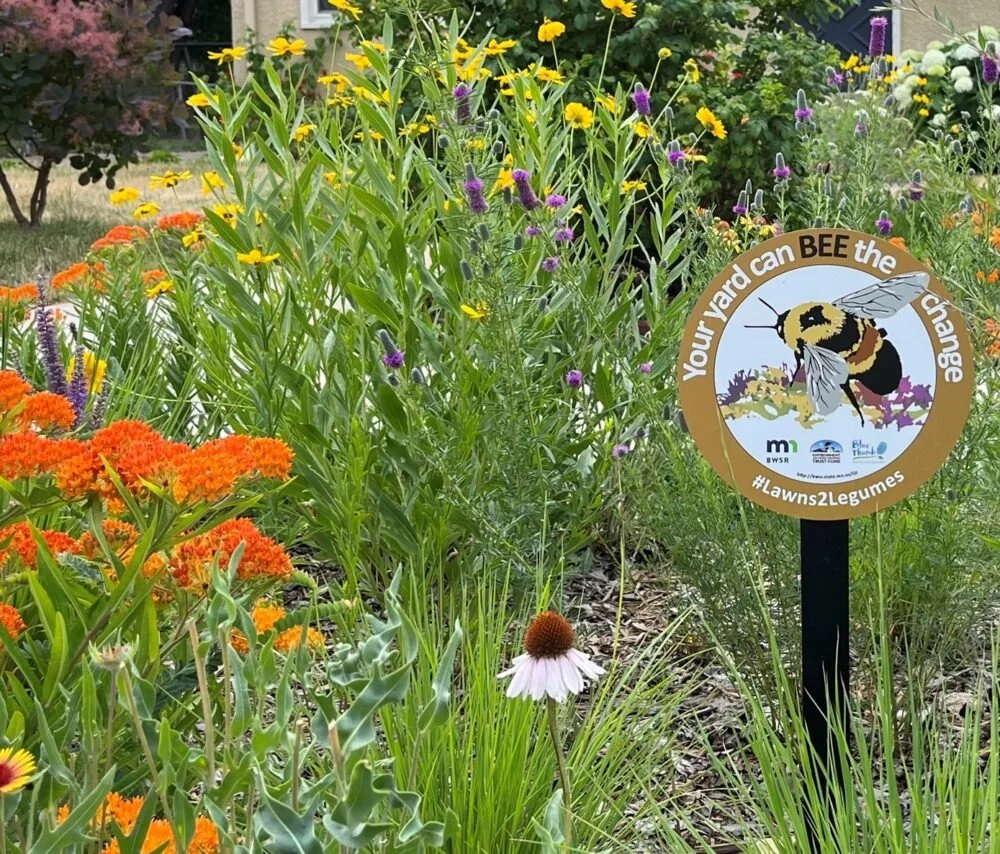
Photo of Pocket Polliantor Garden by our native plant supplier, Minnesota Native Landscapes (MNL).
You Don't Need a Prairie
One of the biggest misconceptions about pollinator gardens is that they all have to look wild. They don't.
If a natural prairie aesthetic is your thing, I love that. If it isn't, that's okay too.
One of my favorite parts of designing gardens is helping people find a style that fits their home while still supporting pollinators. There are beautiful native plants that stay compact and tidy, and there are many cultivars that still provide tremendous value for pollinators while giving a more polished look.
Thoughtful plant selection, clean edges, and intentional design go a long way. A pollinator garden doesn't have to look messy. It just has to be planted with purpose.
Start With Your Boulevard
A boulevard pollinator garden is a great place to start!
It's one of the most underutilized spaces on a property, and honestly, it's often one of the toughest places to grow grass anyway.
Between road salt, sand, compacted soil, reflected heat from the pavement, people walking through it, and limited irrigation, boulevards can be incredibly challenging for traditional lawns. Native plants, on the other hand, are often perfectly suited for these conditions. Many have deep root systems that make them more drought tolerant, and once they're established, they generally require much less watering than turf grass.
One thing I always recommend is including a simple walkway through the boulevard where people naturally exit their parked cars. It protects your plants, gives visitors a clear place to walk, and creates a garden that feels welcoming and intentional.
"But I Don't Have a Green Thumb"
Good news! Mother Nature does.
Native plants have spent thousands of years adapting to Minnesota's climate. They're built for our winters, our summers, our rainfall patterns, and our soils. You're not forcing them to grow here. You're simply giving them a place to do what they've evolved to do.
That doesn't mean they're maintenance free. There really is no such thing as a maintenance free garden. But native gardens generally trade constant watering, fertilizing, and mowing for occasional weeding, editing, and enjoying.
I'll take that trade any day.
What About Backyard Bee Hives?
One of the things I hear all the time is:
"I want to help the bees, so I'm thinking about getting a backyard bee hive."
It's a great thought, but the answer usually surprises people.
Honey bees are not native to Minnesota. They absolutely play an important role in agriculture, but they are not the pollinators that need the most help in our neighborhoods. In fact, in some situations, large numbers of managed honey bees can compete with native bees for nectar and pollen.
What many people don't realize is that Minnesota is home to hundreds of species of native bees, along with butterflies, moths, beetles, flies, hummingbirds, and countless other pollinators. Many of our native bees are solitary, meaning they don't live in hives at all. They nest in hollow stems, tunnels in the ground, or tiny cavities that most of us walk by every day without noticing.
The biggest thing they need isn't more honey bee hives. They need habitat. More flowers. More nesting sites.More places to complete their life cycle.
If you really want to help pollinators, planting habitat is one of the most meaningful things you can do.
There Isn't One Right Way
One thing we've learned through this business is that every homeowner has different goals.
Some people want a fully native landscape. Some want a cottage garden filled with both native plants and pollinator friendly cultivars. Some just want to replace a small patch of struggling lawn with flowers.
They're all good places to start.
At Blissful Bee Gardening, we work with our clients to create gardens that fit their lifestyle, maintenance goals, and aesthetic while still providing meaningful habitat for pollinators. We don't believe it has to be all or nothing.
Creating Connections Across the City
One of the coolest projects we've had the opportunity to be part of was the Midtown Greenway Pollinator Pathway. Supported by the Minnesota Board of Water and Soil Resources Pollinator Pathway Grant, we installed 15 native pollinator gardens stretching across the Midtown Greenway from the Mississippi River all the way to the Chain of Lakes. The goal was simple: create a connected corridor of habitat that helps pollinators move across the city while also showing people just how beautiful native gardens can be.
Projects like this remind me that no single garden has to do all the work. Each little planting becomes another stop along the way. Whether it's a boulevard, a school garden, a neighborhood park, or someone's front yard, every piece adds to a much larger network.
If you're part of a neighborhood association, nonprofit, school, or community organization, these grants are an incredible opportunity to make a lasting impact. The Pollinator Pathway Grant program helps communities create connected habitat while educating residents and building momentum for ecological landscaping.
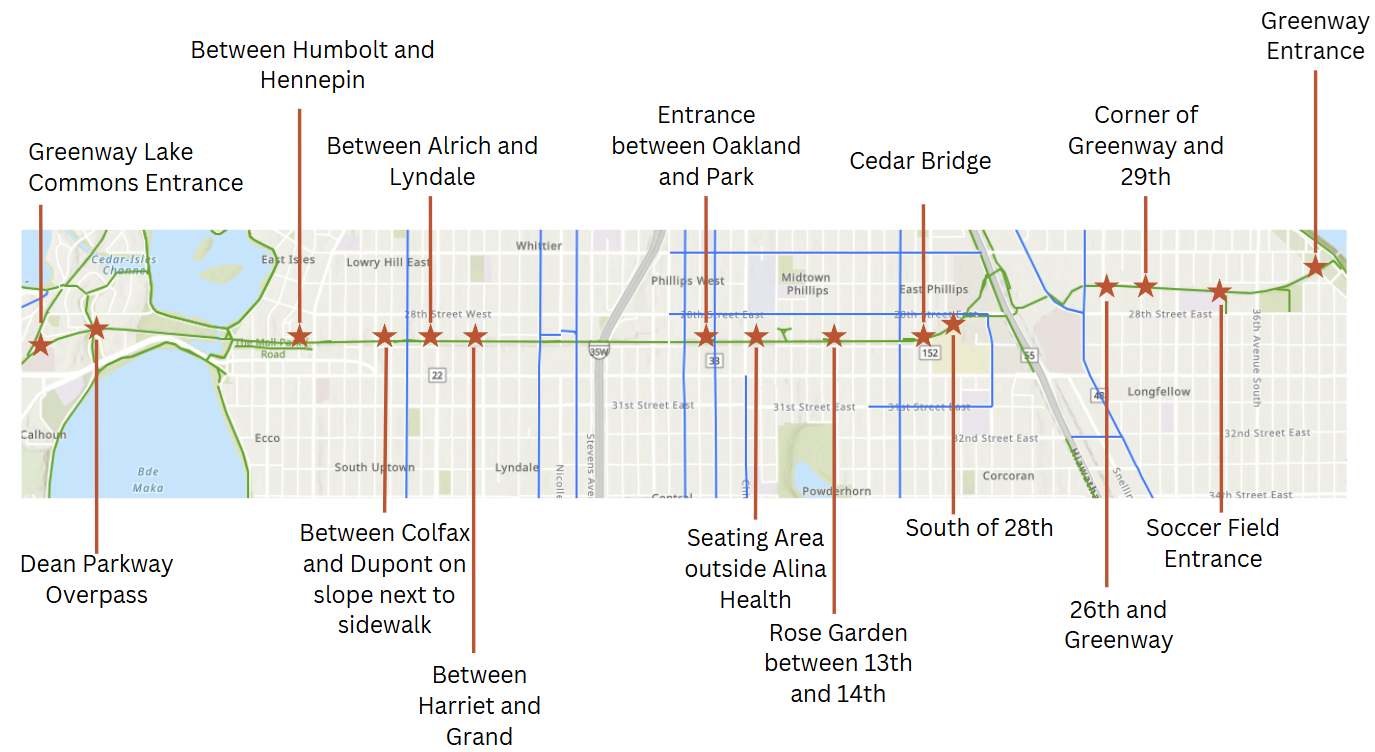
Explore the Midtown Greenway Bike Path and see if you can find all 15 pollinator gardens!
For homeowners, there's another program I'm constantly recommending.
The Lawns to Legumes Program is one of the best resources available in Minnesota for anyone who wants to start a pollinator garden. It provides funding, coaching, workshops, and planting resources to help homeowners create habitat right in their own yards. We've had countless clients receive these grants, and honestly, don't let the application intimidate you. You do not need to be a grant writer. If you can answer a few questions about why you want to create habitat, you can absolutely apply.
Whether your project is a small boulevard garden or a complete yard transformation, there are people and programs that want to help make it happen.
A Challenge for You
This year, find one place in your yard that can do a little more.
Maybe it's the boulevard that's always brown by August.
Maybe it's that awkward corner of lawn that never grows well.
Maybe it's expanding an existing garden bed by a few feet.
Maybe it's planting one native shrub.
It doesn't have to happen all at once, and it certainly doesn't have to be perfect. It just has to start.
Imagine if every homeowner in Minneapolis found just one small place to add habitat.
One more boulevard garden.
One more pocket of flowers.
One less patch of turf.
Those individual choices might seem small, but together they create healthier neighborhoods for bees, butterflies, birds, and people.
Every little bit really does help.
